what diseases are transmitted by droplet The case for airborne transmission of covid-19
With the rise of COVID-19, there has been a lot of talk about how this infectious disease spreads. It is well known that it spreads through respiratory droplets when an infected person talks, coughs, or sneezes. However, recent studies have shown that it may also transmit through airborne particles, making the issue of transmission more complex. Airborne transmission happens when tiny droplets or particles containing the virus remain in the air for prolonged periods. This type of transmission can occur indoors, specifically in poorly ventilated rooms where air circulation is limited. As a result, it is now more important than ever to understand how indoor air quality affects infectious disease transmission. To better understand the issue at hand, researchers have conducted various studies on how COVID-19 spreads and what we can do to prevent it. Through these studies, we have gained valuable insights on how we can better protect ourselves and those around us. One study, for instance, found that the virus can be detected in air samples taken from COVID-19 positive patients, suggesting that the virus can remain airborne for up to three hours. This is worrying since it means that COVID-19 may spread even if you are standing more than six feet away from an infected person. Another study took place in a restaurant with a single air conditioning unit that recirculated air within the dining room. The restaurant was able to successfully trace the spread of COVID-19 to three different tables, all located directly in front of the air conditioning unit– highlighting the potential for airborne transmission of the virus. There are a few ways to reduce the risk of airborne transmission of COVID-19. One way is to improve ventilation in indoor spaces. This can be done by opening windows and doors to increase air movement. Additionally, air filtration devices can be installed to remove any airborne particles from the environment. Moreover, wearing a properly fitted mask when indoors can help reduce the amount of virus particles that are exhaled into the air. Proper hand hygiene should also be practiced regularly to avoid infection. In conclusion, the transmission of COVID-19 through airborne particles is a newly discovered risk that requires our attention. It is important to be vigilant and take all precautions necessary to reduce our risk of infection. By improving indoor air quality, wearing proper masks, and practicing good hygiene, we can all help reduce the spread of this deadly disease.
If you are looking for The Case for Airborne Transmission of COVID-19 - Air Equipment Company you’ve visit to the right web. We have 5 Pics about The Case for Airborne Transmission of COVID-19 - Air Equipment Company like The Case for Airborne Transmission of COVID-19 - Air Equipment Company, How Germs Are Transmitted and also How Germs Are Transmitted. Here you go:
The Case For Airborne Transmission Of COVID-19 - Air Equipment Company
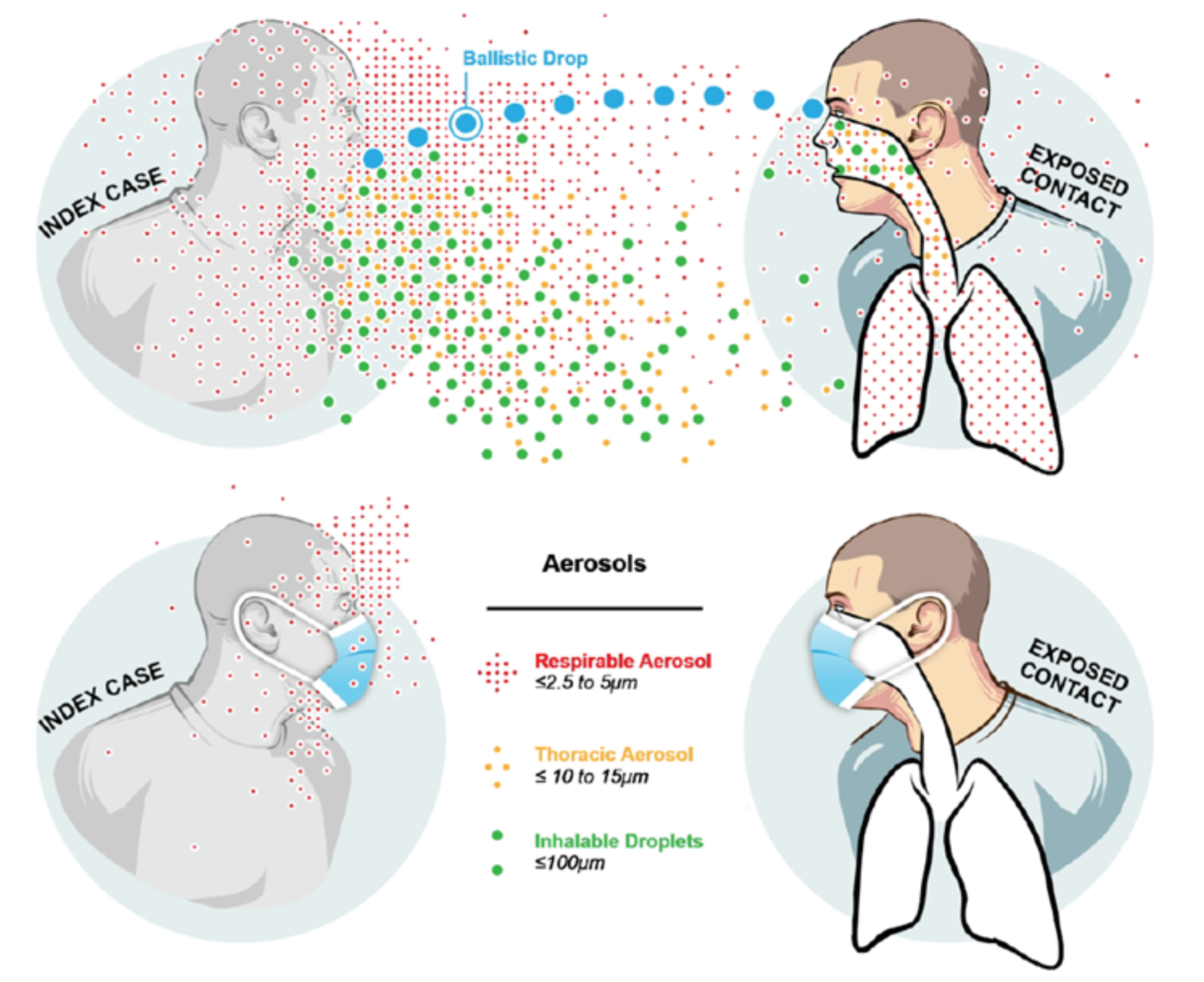 www.airequipmentcompany.comairborne droplet respiratory infection aerosol
Diseases Transmitted By Insects | Western Pest Controls
 www.westernpestcontrols.comdiseases transmitted insects
Droplet Transmission Of Pathogens, Illustration - Stock Image - F029
 www.sciencephoto.comtransmission droplet pathogens
PPT - Transmission Of Infectious Diseases PowerPoint Presentation, Free
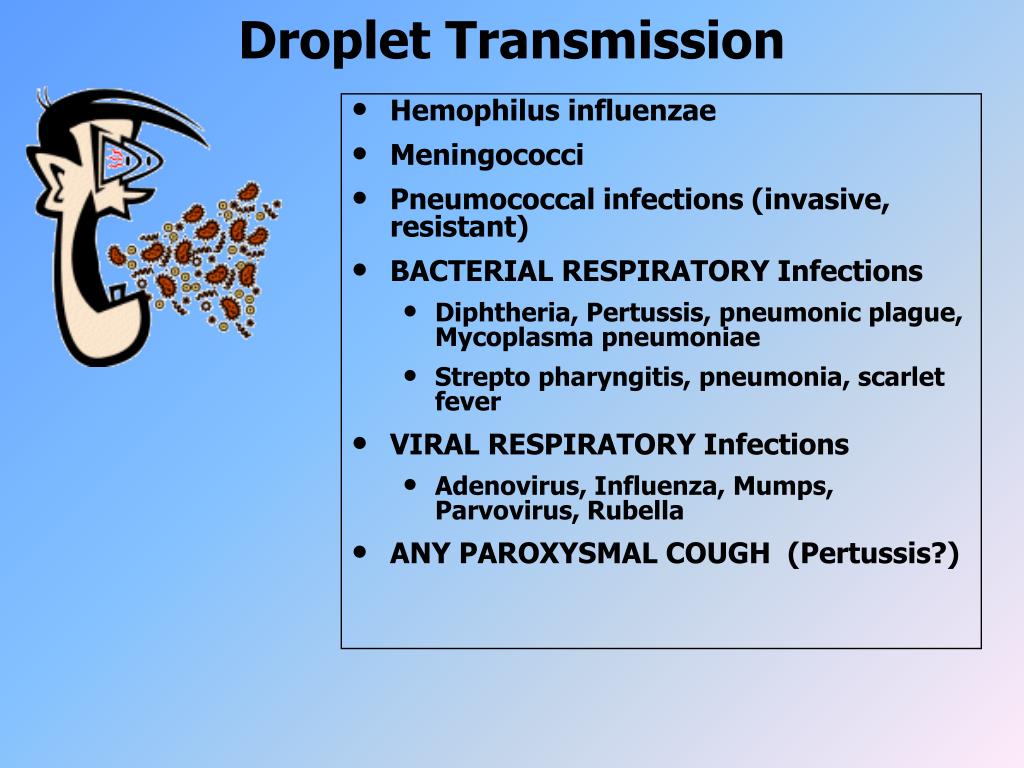 www.slideserve.comtransmission diseases infectious droplet ppt pneumonia infections powerpoint presentation pneumonic plague bacterial pertussis
How Germs Are Transmitted
:max_bytes(150000):strip_icc()/droplet-transmission-3956438_final-cea937e68c9145a395f2365a7c0a666b.jpg) www.verywellhealth.comdroplet germs transmitted verywell ellen lindner verywellhealth
www.verywellhealth.comdroplet germs transmitted verywell ellen lindner verywellhealth
Droplet germs transmitted verywell ellen lindner verywellhealth. Airborne droplet respiratory infection aerosol. The case for airborne transmission of covid-19