what happens if you have high glucose levels during pregnancy Glucose pregnancy
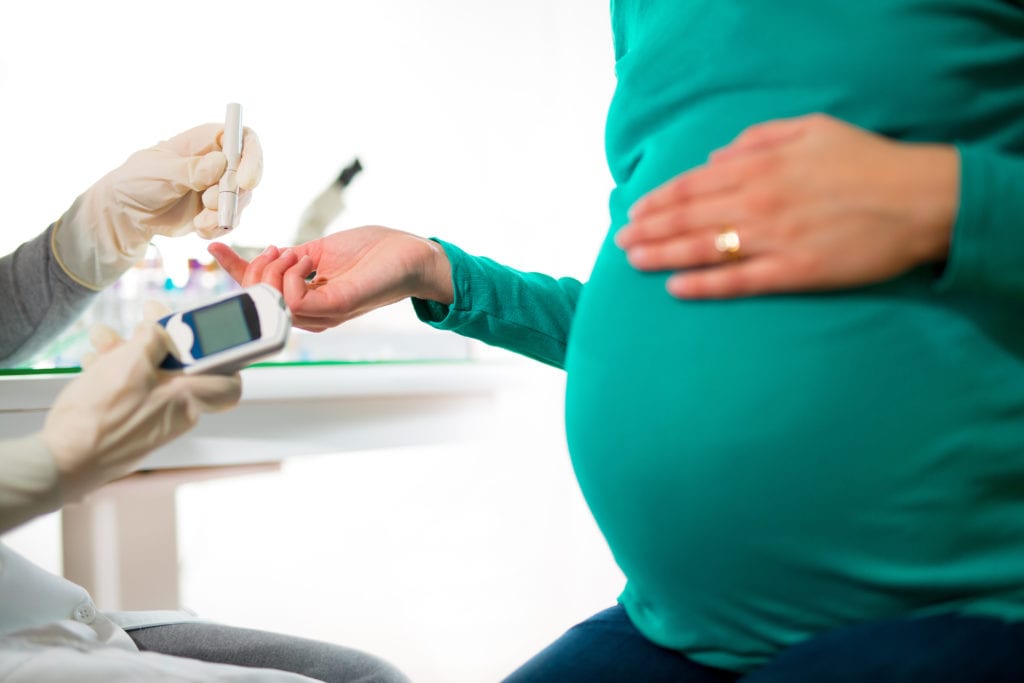
As an expectant mother, one of the things you need to be mindful of is your glucose levels. It’s essential to keep it regulated as it can affect the growth and development of your baby, as well as your own health. Let’s take a look at glucose monitoring and how to understand the levels when pregnant. Glucose monitoring is the process of measuring your blood glucose levels. It’s crucial to follow the doctor’s instructions on when and how often to monitor, as well as the target range for each reading. The target range is between 70-99 milligrams per deciliter (mg/dL) before meals, and less than 140 mg/dL two hours after eating. High glucose levels during pregnancy can result in gestational diabetes, a form of diabetes that occurs during pregnancy. It can affect both the mother and baby’s health, leading to complications such as early delivery, macrosomia (a larger than average baby), and respiratory distress syndrome in the newborn. Long-term gestational diabetes may also increase the risk of type 2 diabetes for both the mother and child. On the other hand, low glucose levels can lead to hypoglycemia. It can cause symptoms like shakiness, sweating, and confusion, and if untreated, can result in seizures and unconsciousness. Hypoglycemia can occur if you skip meals, drink alcohol, or exercise too much without adjusting your insulin dosage. It’s important to work with the doctor and a registered dietician to create a meal plan that balances your carbohydrate intake and glucose levels. They may also recommend regular exercise, monitoring ketones, and medication if necessary. In the context of glucose monitoring, it’s essential to understand the difference between fasting and postprandial (after meal) readings. Fasting glucose refers to the glucose level after at least eight hours of not eating, usually first thing in the morning. Postprandial glucose refers to the glucose level after eating. The target range for fasting glucose is less than 95 mg/dL, and less than 120 mg/dL for postprandial glucose. To monitor your glucose levels, you’ll need a glucose meter, which measures glucose in a small sample of blood taken from your fingertips. After washing your hands, insert a test strip into the meter, prick your finger with a lancet, and apply the blood to the strip. Read and record the results as directed. In conclusion, glucose levels are an essential aspect of pregnancy that need your attention. By monitoring your glucose levels and making the necessary lifestyle changes, you can ensure that your baby grows and develops healthily. Remember to work with your doctor and dietician to regulate your glucose levels, and always consult them if you notice any unusual symptoms or readings.
If you are looking for Luiza Blog’s: 01/13/20 you’ve came to the right web. We have 5 Pictures about Luiza Blog’s: 01/13/20 like Glucose test during pregnancy - Stock Image - F002/6525 - Science Photo, Lowering Blood Sugar: how to control glucose level during pregnancy and also Luiza Blog’s: 01/13/20. Here you go:
Luiza Blog’s: 01/13/20
 luizablogdiabetes.blogspot.comhyperglycemia levels glucose
Understanding Your Glucose Levels When Pregnant - IAD Blog
 insured.amedadirect.comglucose pregnancy
Glucose Test During Pregnancy - Stock Image - F002/6525 - Science Photo
 www.sciencephoto.comglucose pregnancy test during
Lowering Blood Sugar: How To Control Glucose Level During Pregnancy
 loweringbloodsugartop.blogspot.com20 Lovely Normal Blood Sugar Levels Chart For Adults - Chart Gallery

20 lovely normal blood sugar levels chart for adults. Hyperglycemia levels glucose. Glucose test during pregnancy